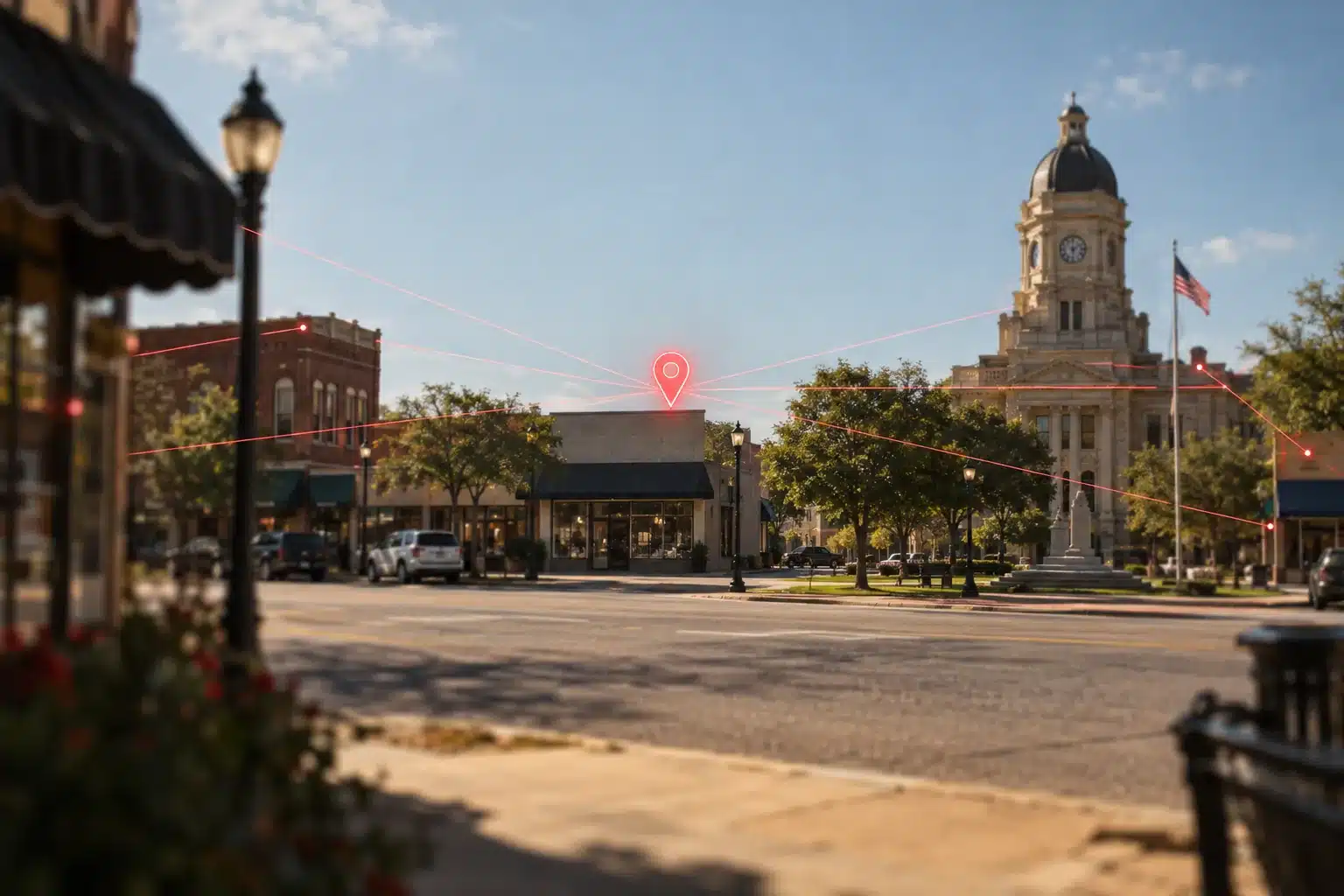
A few years ago, someone in Sherman with a leaking water heater Googled “plumber near me” and called whoever showed up first. Plenty of people still do. But a growing number type the question into ChatGPT, Gemini or Google’s AI Mode instead: “Who’s a good HVAC company in Denison?” They get back a short answer naming two or three businesses. That’s what AI search looks like for a local business, and if your name isn’t in that answer, you never got the chance to compete.
This already happens a lot. BrightLocal’s 2026 Local Consumer Review Survey found 45% of consumers now use ChatGPT and similar tools to get local business recommendations, up from 6% a year earlier. On Google itself, a Pew Research Center study found that when an AI summary appeared at the top of the results, people clicked a regular link about half as often (8% of visits versus 15%). The answer is doing more of the work and the list of links is doing less.
Getting into those answers isn’t magic, though. And from what we see, most Texoma businesses haven’t started working on it.
How AI search picks a local business to recommend
AI tools don’t have favorite roofers. When someone asks for “the best roofing company in Sherman,” the tool pulls from public information you mostly control: your Google Business Profile, your website, your reviews, directory listings and mentions of your business around the web. It blends all of that into a few sentences.
So the groundwork is the same as local SEO. Some signals just count for more. Three stand out:
- Consistency. Your business name, address, phone number and services should match everywhere they appear. These tools cross-check sources, and conflicting details make you look less reliable.
- Reviews that say something. AI reads the text, not just the stars. “Fixed our AC in one visit, fair price, showed up on time” tells it exactly what you’re good at. Fifty reviews that say “Great!” tell it almost nothing.
- Plain, specific website copy. “We proudly serve the community with quality solutions” could describe a bank or a bakery. “We repair and replace home HVAC systems in Sherman, Denison and Pottsboro” can’t be misread.
If you want the longer version of how this differs from classic SEO, we covered it in GEO vs SEO. Our AI search optimization page explains how we handle it for clients.
Make your website answer questions
These tools are built to answer questions, so they favor pages that answer them directly. Read your main service page and ask: if a customer only saw this one page, would they know what we do, where we do it, roughly what it costs, and why they’d pick us?
A few practical fixes. Add a short FAQ to each key service page using the questions you get on the phone every week, written the way customers ask them. Name your towns (Sherman, Denison, Howe, Van Alstyne, Pottsboro) instead of “the surrounding area.” If you cover Grayson County, say Grayson County. An AI can’t work out your service area from your logo.
Treat your Google Business Profile as source material
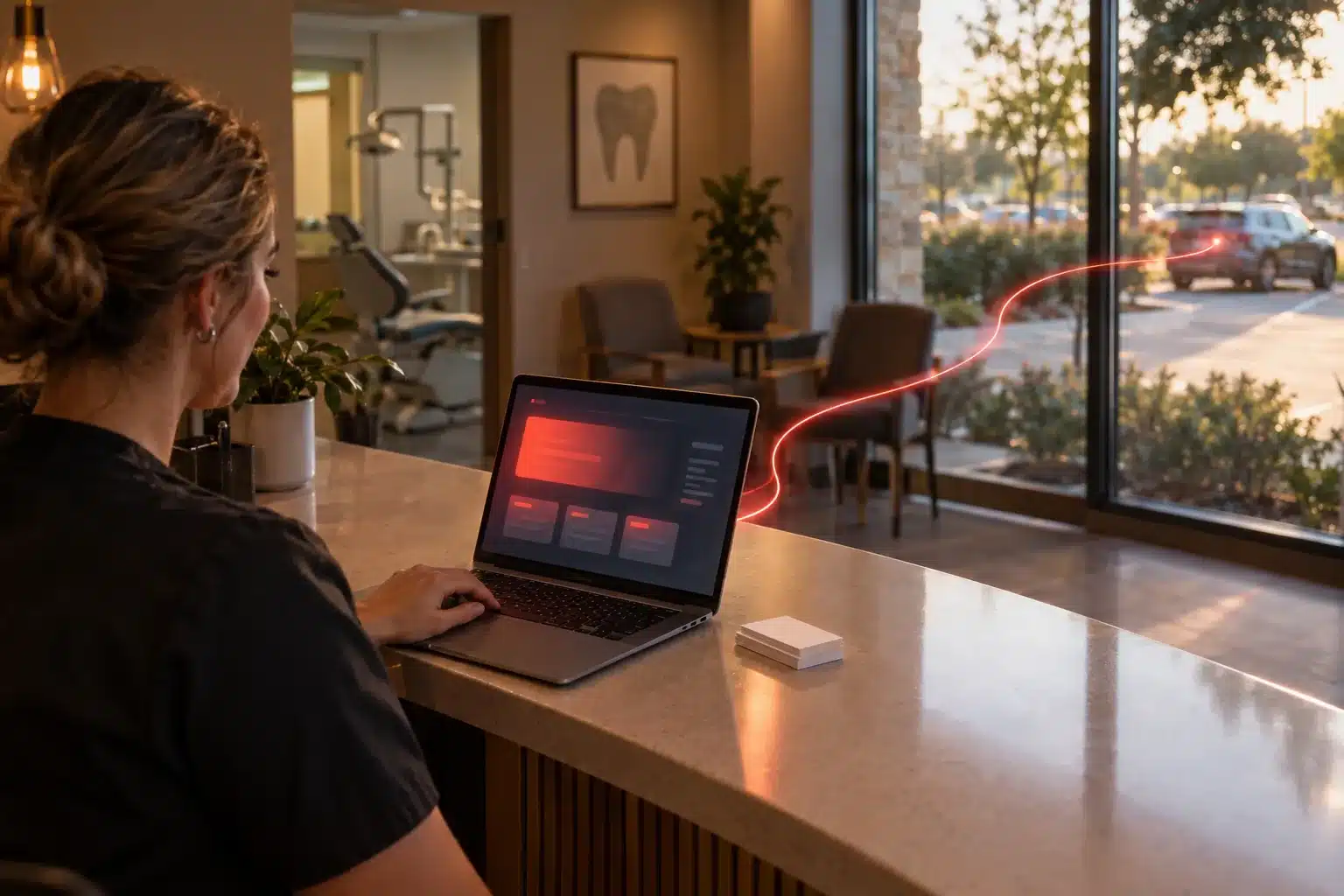
Google’s AI answers for local searches lean on Business Profile data, and other assistants read it too. Your categories, services list, attributes, hours and photos are structured information a machine can read without guessing. Our guide to optimizing your Google Business Profile in 2026 walks through each field.
One change worth knowing about: Google retired the Q&A section on Business Profiles in late 2025. Questions people used to post there now get answered by Google’s AI, which pulls from your profile, your reviews and your website. That makes your business description, your services list and your site’s FAQ more important than they were, because they’re now where those answers come from. Fill the description with specifics: years in business, licensing, what you specialize in, which towns you cover. And keep posting updates. A profile that looks abandoned gives the AI less to work with.
Ask for reviews that tell a story
Swap “Would you leave us a review?” for “Would you mind mentioning what we helped you with?” That small change turns a star rating into a description of your work. A review that names the service, the town and the result is about the most useful thing a local business can collect for AI visibility, and it’s free. There’s more on building a steady review habit in why online reviews are the new word of mouth.
Reply to every review, too. “Glad we could get your water heater replaced same-day here in Denison!” gives the AI more to go on than “Thanks!”
Get mentioned in places AI trusts
Third-party mentions carry weight: local news sites, chamber directories, trade associations, local blogs, league and school sponsor pages. A mention in the Herald Democrat or a listing with the Sherman or Denison chamber counts twice. It helps your regular local rankings, and it gives an AI a second source that agrees you exist and do what you say.
Sponsor a little league team and get your name on the league site. Join the chamber. Offer a local reporter a comment when something in your trade makes the news. None of this is new advice. AI search just raises the payoff.
Check where you stand today
Open ChatGPT, Gemini and Google’s AI Mode and ask what your customers would ask: “best [your service] in Sherman TX,” “who should I call for [your service] in Denison?” Use a temporary chat or a logged-out browser so your own history doesn’t color the results, and try a few phrasings, since the answers shift.
If you show up, read what it says about you and make sure it’s right. Wrong hours or a service you dropped two years ago usually trace back to an old listing somewhere. If you don’t show up, look at who does and figure out what they have that you don’t. More detailed reviews? Clearer service pages? Directory listings you never claimed? That list is your to-do list, and the first round of questions takes about ten minutes.